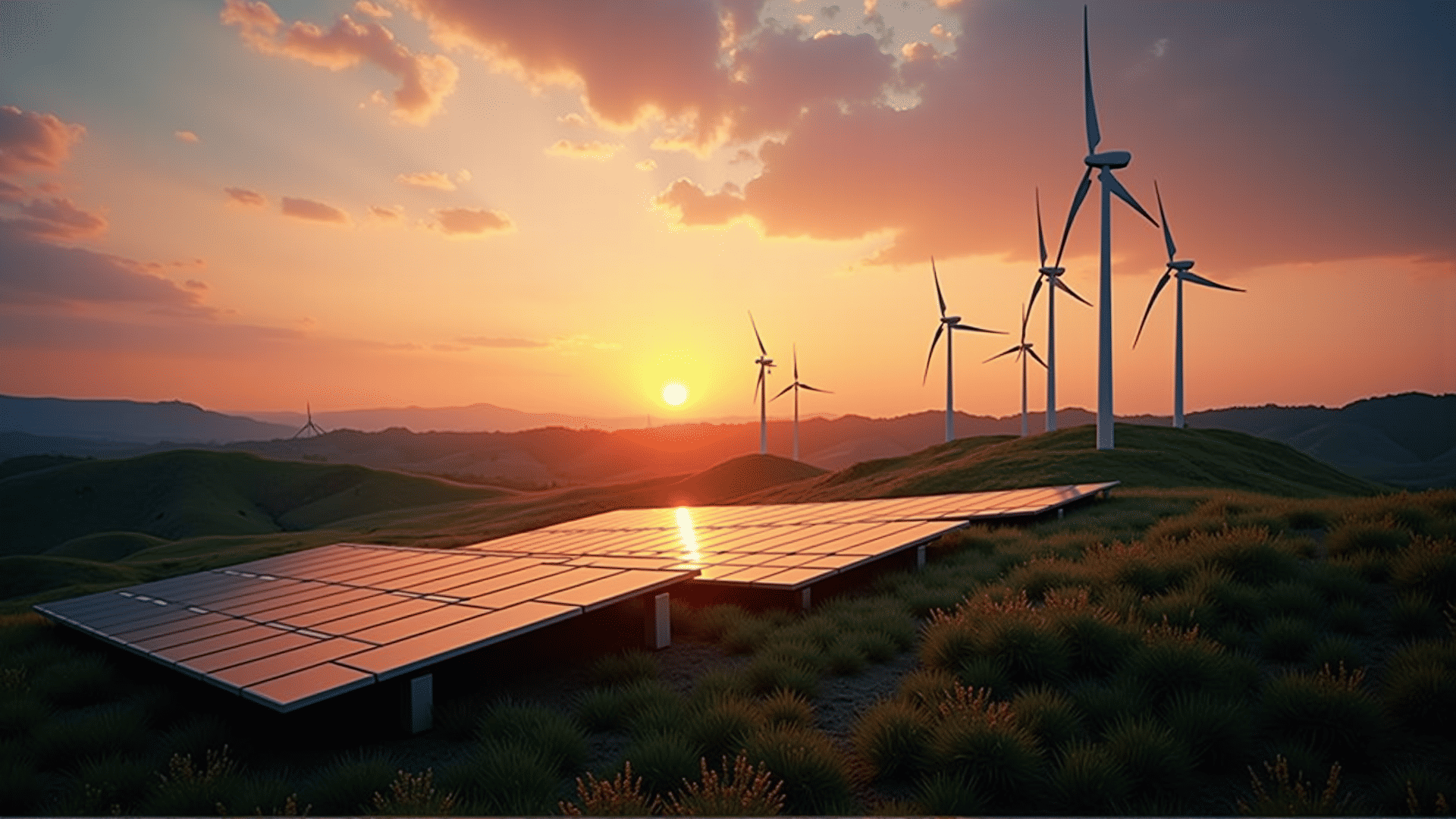
In recent years, the conversation around climate change and environmental sustainability has reached a crescendo, urging industries, governments, and individuals to explore innovative energy solutions. As the demand for energy continues to soar, finding ways to produce power that minimizes harm to the planet has become both a challenge and an opportunity. The transition to sustainable energy is not just an ecological necessity but also an economic opportunity, driving technological advancement and creating a burgeoning market for green technology.
One of the foremost drivers of this shift is the advancement in solar energy technologies. Solar power, once dismissed due to high costs and low efficiency, has seen revolutionary enhancements in both the efficiency of photovoltaic cells and the reduction in production costs. Innovations such as perovskite solar cells and bifacial modules are pushing the boundaries, enabling solar panels to be more efficient and versatile. Countries with abundant sunlight are increasingly harnessing this resource, contributing significantly to their national grids. Moreover, solar energy installations, from residential rooftops to massive solar farms, are becoming more commonplace, signaling their integral role in the future energy landscape.
Wind energy also plays a pivotal role in the green energy revolution. Offshore and onshore wind farms are experiencing a boom, thanks to technological strides that allow turbines to be functional in diverse environments with minimal ecological impact. Offshore wind, in particular, is gaining traction due to higher and more consistent wind speeds available at sea, which enhances the efficiency and output of wind farms. European countries, such as Denmark and the UK, are leading the charge, with ambitious targets and substantial investments propelling the sector forward.
Beyond solar and wind, energy storage solutions are proving to be game-changers in the sustainable energy sector. The intermittent nature of renewable energy sources like solar and wind presents challenges for consistency in energy supply. Energy storage systems, particularly advanced battery technologies like lithium-ion and emerging solid-state batteries, offer solutions to store excess power and provide it when needed. This technology ensures a steady supply of energy, reducing dependence on fossil fuel-powered backup systems. Moreover, advancements in grid-scale storage solutions are instrumental in stabilizing power grids, paving the way for a more reliable, renewable energy infrastructure.
Hydrogen energy is another promising frontier. Often referred to as the 'fuel of the future,' hydrogen offers a clean alternative for industries and transport sectors that are hard to electrify. Green hydrogen, produced via electrolysis using renewable power, emits only water when used as an energy source. This technology holds the potential to decarbonize sectors like shipping and aviation, which are notoriously reliant on fossil fuels. Governments worldwide are investing heavily in hydrogen research and infrastructure to create a robust supply chain for this versatile energy carrier.
The role of policy and international cooperation cannot be understated in the transition to sustainable energy solutions. Governments are implementing ambitious policies and incentives to encourage the adoption of renewable energy and the phasing out of fossil fuels. International agreements, like the Paris Climate Accord, as well as regional collaborations, are vital in setting targets and sharing innovations to combat global climate change.
Finally, the rise of energy efficiency and smart technologies is transforming how we consume and manage energy. Smart grids, IoT devices, and AI-driven energy management systems are optimizing consumption and reducing waste, ensuring that every kilowatt produced is used effectively. This technological synergy between energy production and consumption is crucial for realizing a sustainable energy future.
In summary, the journey toward a sustainable energy future is marked by incredible innovation and cooperation. Embracing solar, wind, energy storage, hydrogen, and smart technologies is not only essential for environmental sustainability but also presents compelling economic opportunities. The concerted effort across sectors and borders is setting a new paradigm where clean and sustainable energy solutions are the norm rather than the exception.